
A stenter chain is one of the most important mechanical components in a textile finishing machine. It continuously transports the fabric through the stenter while maintaining stable fabric width and controlled fabric movement.
For textile mills operating Monforts stenter machines, chain condition directly affects the stability of the fabric transport system. A worn or poorly maintained chain can gradually lead to unstable fabric movement, dimensional variation, abnormal noise and increased mechanical wear.
This guide explains what textile mills should check when inspecting a Monforts stenter chain, when replacement may be necessary, and how to select the correct replacement chain.
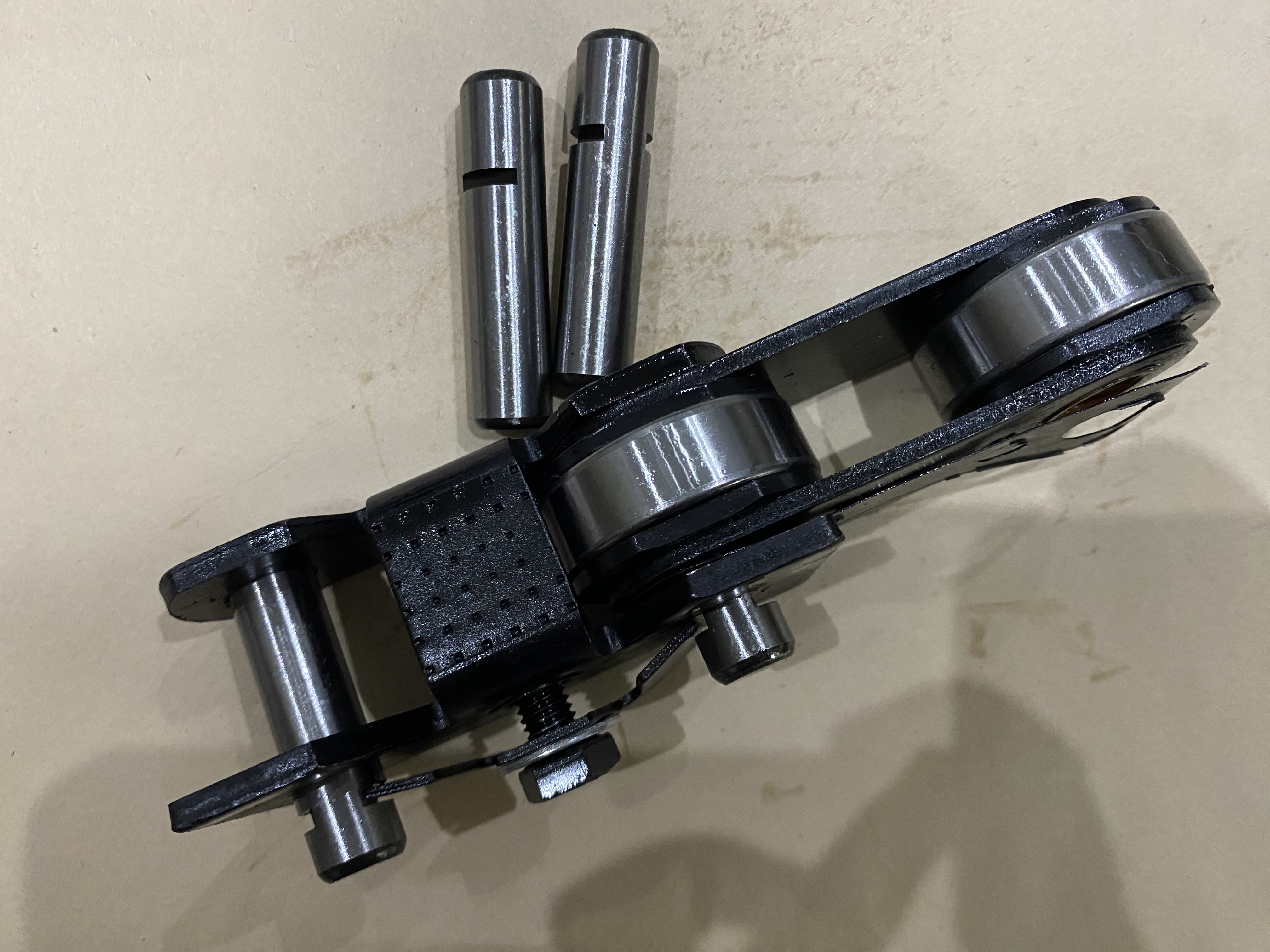
The stenter chain works continuously under demanding operating conditions. During textile finishing and heat-setting, the chain system must maintain reliable movement while working in an environment involving elevated temperatures, continuous mechanical movement and textile dust.
A properly maintained stenter machine chain helps maintain:
For textile mills, chain maintenance is therefore not only a mechanical issue. It can also affect production stability and overall maintenance planning.
A stenter chain may gradually wear after long-term operation. Some problems can be identified during routine maintenance before they cause an unexpected production interruption.
Unusual clicking, knocking or metallic noise may indicate excessive wear in the chain links, bushes, rollers or related components.
If the noise becomes more obvious as the machine speed increases, the chain and associated rail components should be inspected.
A healthy chain should move smoothly through the stenter rail.
If sections of the chain appear to move unevenly, stick temporarily or show abnormal vibration, check the chain links, guide system and lubrication condition.
The chain link is continuously exposed to mechanical loads. Over time, contact surfaces can become worn.
Visible wear, deformation or excessive clearance between connected components can be signs that the chain assembly requires closer inspection.
The stenter chain works together with pin plates, pin holders or clips to transport the fabric.
If the fabric edge is not held and transported consistently, the finishing line may experience width variation or unstable fabric positioning.
In this situation, the chain should not be inspected in isolation. The complete pinning and fabric-guiding system should also be checked.
If pin plates, chain links, bushes, sliders or other related components require unusually frequent replacement, the condition of the chain assembly and rail system should be evaluated as a complete system.
Replacing only one worn component may not solve the underlying problem if other connected components have also reached the end of their service life.
Choosing a replacement chain only by machine brand is not always sufficient.
Before placing an order, textile mills should confirm the actual machine and chain configuration.
Important information may include:
For older machines, the original part number may not always be available. In this situation, photos, drawings and actual measurements can be useful for identifying the correct replacement.
A stenter chain does not work independently. It forms part of a larger fabric transport and pinning system.
Depending on the machine configuration, related components may include:
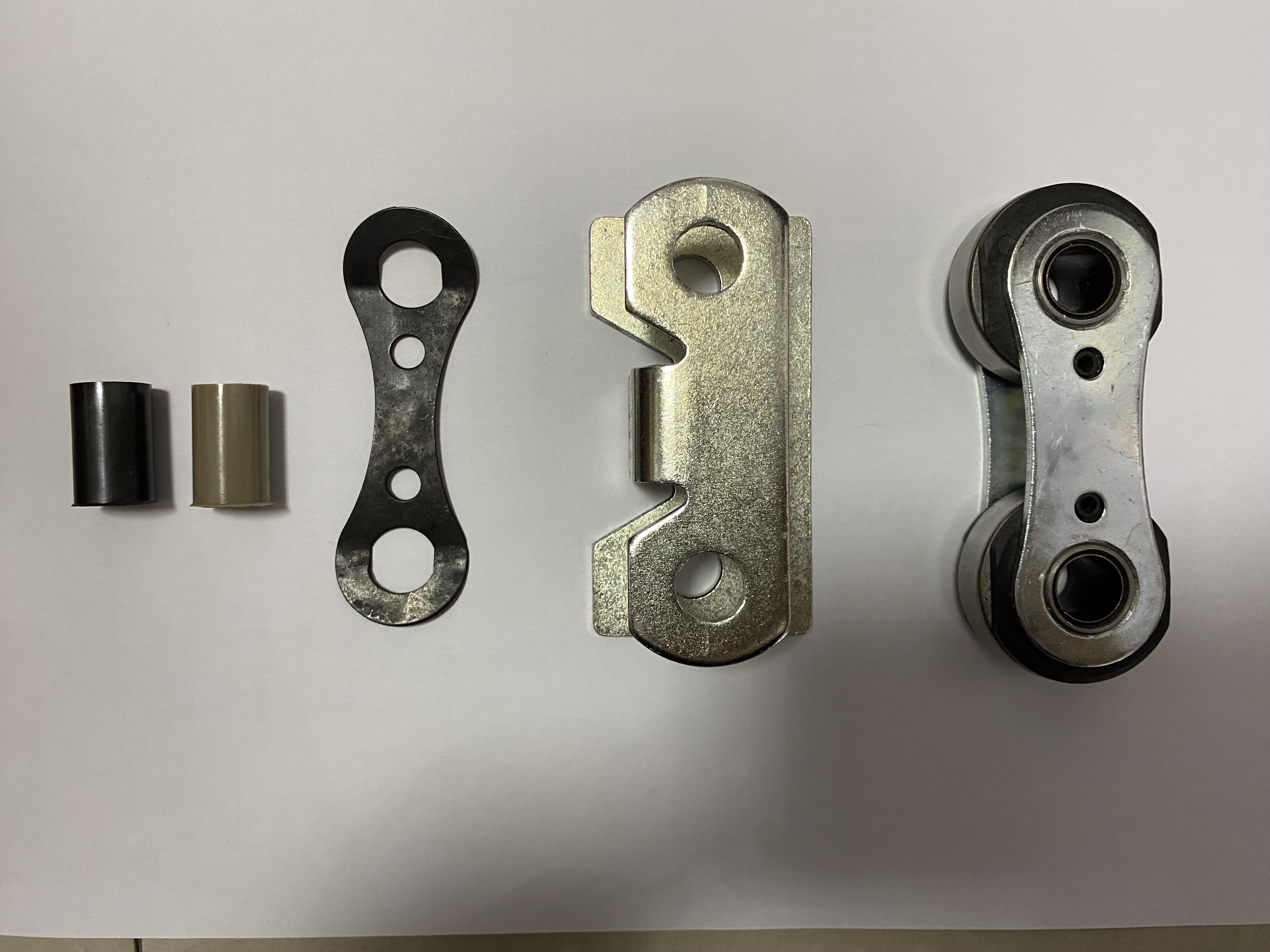
For this reason, when a chain replacement is required, it is worth checking the condition of the related components at the same time.
For example, a new chain installed together with heavily worn guide components may not deliver the expected improvement in machine performance.
Regular inspection can help textile mills identify potential problems before they develop into major production issues.
Textile dust, lint and finishing residues can accumulate around the chain and rail system.
Regular cleaning helps reduce contamination around moving components and makes it easier to identify abnormal wear.
Follow the lubrication requirements recommended for the specific machine and component.
Insufficient or unsuitable lubrication can increase friction and accelerate wear.
During planned maintenance, observe whether the chain moves smoothly through the rail.
Pay attention to abnormal noise, vibration, sticking or uneven movement.
Do not inspect the chain alone.
Check pin plates, bushes, rollers, guide rails and other connected components for visible wear or deformation.
Keeping records of chain inspections and replacement dates can help maintenance teams identify recurring problems and plan spare parts purchases in advance.
There is no single replacement interval that applies to every stenter machine.
Actual service life depends on factors such as:
Instead of replacing a chain only according to a fixed calendar schedule, it is better to combine regular inspection with the machine's actual operating condition.
If excessive wear, abnormal movement or repeated component failures are found, the chain assembly should be evaluated before continuing long-term production.
When contacting a spare parts supplier, providing more technical information can make identification faster and reduce the risk of receiving an incorrect part.
We recommend providing:
If you do not have all of the above information, you can still send photos and available measurements. A supplier can then check the configuration and confirm whether the replacement is suitable.
Winwell supplies Monforts stenter machine chain components and replacement spare parts for textile finishing applications.
Our range includes stenter chain links and related components for compatible Monforts systems. We can also evaluate replacement requirements based on drawings, dimensions, photos or original samples.
For customers who are unsure which chain specification they need, providing the original part information and machine details can help us check the correct configuration before quotation.
The stenter chain is a critical part of the fabric transportation system. Regular inspection, correct lubrication and timely replacement can help textile mills maintain stable machine operation and reduce unexpected maintenance problems.
When replacing a Monforts stenter chain, do not check only the chain itself. The condition of pin plates, bushes, guide rails, rollers and other related components should also be considered.
If you are looking for a Monforts stenter chain replacement, send us your machine model, original part number, photos or dimensions. Our team can check the specification and provide a suitable spare parts solution.
Need a replacement Monforts stenter chain? Contact us for a quotation and compatibility check.