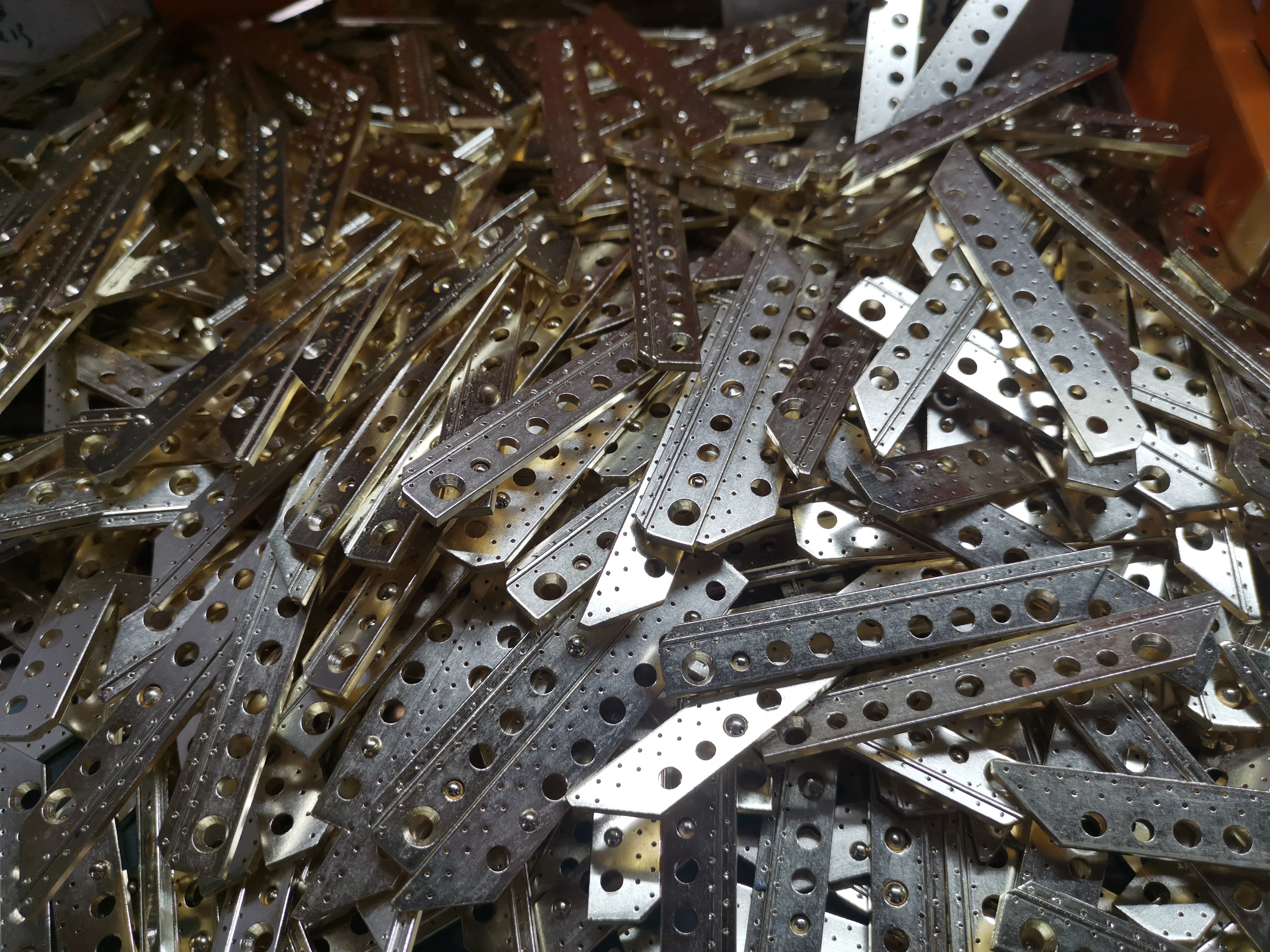
Worn pin plates are one of the most common — and most costly — hidden causes of finishing defects. Here is how to spot the signs early, measure wear accurately, and replace at the right time.
Pin plates are the workhorse of any stenter frame. They grip the selvedge, hold the fabric at a controlled width, and carry it through the heating chambers at temperatures of 150–220 °C under constant tension. Under that combination of heat, load, and friction — with fiber dust and finishing chemicals in the air — the pins wear gradually. The danger is that wear is silent: there is no alarm, no warning light, only a slow decline in fabric quality until the problem becomes a full-width reject or an unplanned stop.
Knowing exactly when to replace pin plates keeps quality consistent, protects the chain, and turns a planned, low-cost replacement into a routine event instead of an emergency.
Three ways to tell it's time
1. What the fabric tells you
The finished fabric is the most honest indicator of pin condition. Watch for these defects:
- Selvedge marks or "needle holes" that won't close: worn or dulled pins no longer pierce cleanly; they crush the edge yarns and leave visible holes or dark marks along the selvedge.
- Edge scratches, snagging, or pulled threads: broken, bent, or missing pins catch the fabric edge. A damaged needle plate is one of the first things to check when edges snag.
- Width variation along the length: if finished width drifts or fluctuates between batches, the pins may be losing grip under tension, allowing the fabric to slip and relax unevenly.
- Crescent-shaped creases near the selvedge: often linked to deformed pin plates, broken needle tips, or incorrect overfeed.
- Uneven holding on one side only: if only one rail shows defects, inspect that side's pin plates first — they may be worn unevenly or contaminated.
If you see any of these on more than one or two batches, stop guessing and inspect the pin plates.
2. What the machine tells you
- Abnormal chain noise or jerky movement near the pinning area can indicate bent pins, loose plates, or plates that no longer seat correctly in the chain.
- "Pin dropping" or frequent fabric release at the edges means the pins have lost their grip — a classic sign of advanced wear.
- Fuzzy needle tips under the brush wheel: lint accumulation combined with worn pins makes the tips rounded and ineffective.
- Visible damage during routine cleaning: warping, cracks, rust, corrosion, or plates that are no longer flat. Any of these means immediate attention.
3. What measurement tells you (the reliable method)
Visual inspection finds obvious damage, but the professional way to schedule replacement is to measure pin wear against a known threshold:
| Lifecycle stage |
Pin condition |
What to do |
| 0–25% (good) |
Pin wear within ~0.1 mm of original diameter; no bent or missing pins |
Normal operation, routine lubrication |
| 50–75% (plan) |
Pin wear reaches 0.25–0.4 mm, or clip tension drops below 80% |
Order spare plates now; schedule replacement at the next planned shutdown |
| 75–100% (replace now) |
Pin wear exceeds 0.4 mm, clip springs failed or missing |
Immediate replacement required — width variation and selvedge defects are imminent |
How to measure: use a caliper or micrometer to measure pin diameter at several points along the plate and compare it with the specification of a
new pin. Also check the "full-tooth" condition — the completeness, straightness, and sharpness of every pin — during the daily or shift-start cleaning. Bent pins are replaced on the spot; heavily worn plates are marked and swapped at the next shutdown.
What makes pin plates wear faster
Some operating conditions accelerate wear dramatically. If your mill has any of these, shorten the inspection interval:
- Processing hard, abrasive, or coated fabrics (denim, technical textiles, coated and laminated goods)
- Running at the top end of the temperature range for long periods
- High overfeed settings that increase selvedge load
- Poor or irregular chain lubrication, which raises friction throughout the pinning system
- A dusty, lint-heavy environment or poor brush-wheel maintenance that lets fibers build up on the pins
Best practice when replacing
- Replace as a full set, not piece by piece. Mixing fresh plates with heavily worn ones on the same rail creates uneven holding and worsens width variation. At minimum, replace one complete rail or a matched section.
- Check compatibility before ordering. Pin plates are matched to machine make, model, chain pitch (commonly 50.8 mm or 60 mm), and plate geometry. A plate from the wrong spec will not seat properly and will damage the chain.
- Combine with a chain inspection. Worn pins and a worn chain fail together. If the chain pitch has stretched or sprockets show wear, replace the chain set at the same shutdown so you don't put new plates on a failing drive.
- Keep a spare set in stock. Pin plates are a wear item with a predictable life. Having a matched set on the shelf turns a breakdown into a 30-minute changeover.
The cost of waiting
Delaying replacement rarely saves money. A single batch of rejected fabric can cost far more than a set of pin plates, and an unplanned mid-week shutdown for emergency parts costs even more in lost production. Replacing on a schedule — driven by measurement, not by failure — is the cheapest maintenance decision a finishing mill can make.
Need help choosing the right pin plate
Changzhou Winwell International Co., Ltd. supplies pin plates, chains, pin clips, and matched spare-part sets for all major stenter makes and models, with in-stock availability and worldwide shipping. Our team will help you identify the correct parts for your machine and build a replacement schedule that fits your production.
Molly Wang — Sales Manager